“Together or Side by Side?” – Generations in the Construction Industry
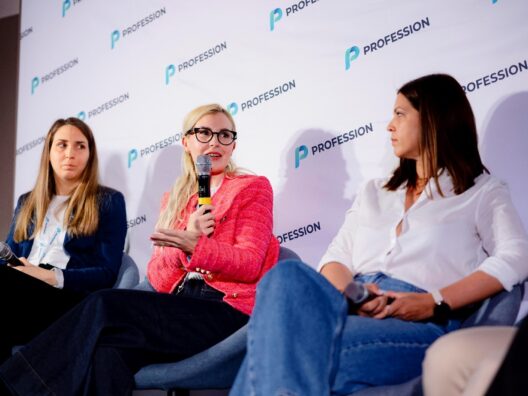
At last week’s HR Next Gödöllő conference, Várady Eszter, HR Manager of WEST HUNGÁRIA BAU Ltd., participated in a roundtable discussion on generational differences and received clear confirmation of a growing industry reality: in today’s construction sector, companies are competing not only for projects but also for people.
The shortage of young talent entering the industry, the declining attractiveness of construction careers among younger generations, and the increasing demand for experienced professionals are often described as a “generational crisis.” The real challenge, however, is how organizations can respond to this situation in a conscious and sustainable way.
According to WEST HUNGÁRIA BAU’s experience, the key to successful intergenerational cooperation lies in understanding what motivates people. Different age groups are driven by different priorities: for some, stability and predictability are paramount, while others place greater value on development opportunities, continuous feedback, or flexibility. These expectations are not conflicting demands but rather different ways of working that require thoughtful organizational practices and leadership.
“We should not focus on labeling generations; we should focus on understanding people. If an organization recognizes that the same goal can be achieved through different paths, then differences become a source of added value rather than tension,” said Eszter Várady during the discussion.
High-performing teams are built on a transparent framework: clear expectations, regular feedback, and a working environment in which everyone understands their role in achieving shared objectives. In this process, leaders carry particular responsibility, acting as bridges between different generations, perspectives, and working styles.
Experience also shows that there is no deep divide in core values. Commitment to quality work, accountability, and a results-oriented mindset are shared across generations. The differences lie primarily in how these goals are achieved. This is where conscious mentoring plays a crucial role. Experienced colleagues pass on their professional knowledge and expertise, while younger generations contribute fresh perspectives, new tools, and innovative approaches to everyday operations. Knowledge transfer therefore becomes a two-way process from which everyone benefits.
WEST HUNGÁRIA BAU firmly believes that generational diversity is not a challenge to overcome but a strategic opportunity to embrace. The real question is not how many generations work together within an organization, but whether the company can create a culture in which those differences become a source of strength and long-term competitive advantage.