Delivering a complex construction project requires the coordination of a wide range of architectural, structural, mechanical, electrical and technological systems. These systems do not operate independently of one another. A single change can affect the work of several disciplines, as well as costs, scheduling and, ultimately, the future operation of the facility.
Traditional design documentation can often make it difficult to fully understand these interdependencies. BIM brings a fundamental change to this process.
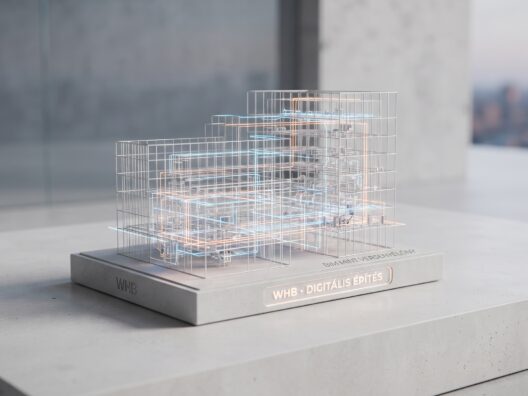
Building Information Modeling is much more than three-dimensional representation. It is an information-based collaborative environment in which technical data, relationships and properties can be assigned to individual building elements. As a result, the digital model not only illustrates what the facility will look like, but also supports how it can be designed, constructed and subsequently operated.
The best place to identify problems is in the digital model, not on site
Conflicts identified during construction typically require additional time, cost and coordination to resolve. If the same issue becomes visible during digital coordination, there is considerably greater scope to develop an optimal solution before it affects execution on site.
One of the fundamental benefits of BIM is therefore foresight. It can support the identification of clashes between disciplines, more accurate quantity take-offs and better planning of construction sequencing.
For the investor, this is primarily not a technological advantage, but a reduction in uncertainty. The more issues that can be clarified before construction begins, the lower the likelihood of unexpected changes being required on site.
A common information environment
One of BIM’s greatest strengths is its ability to create a shared professional language among project participants. Designers, contractors, specialist partners and client representatives can review and assess the same relationships and project information.
This does not mean that every difference of opinion disappears automatically. It does, however, mean that decisions can be based on more accurate, consistent and transparent information.
Digital collaboration is particularly important on projects involving a large number of contributors, complex technological requirements or demanding schedules, where effective multidisciplinary coordination is essential.
A model is only as valuable as the way it is used
Implementing BIM is not simply a matter of purchasing software. It requires new workflows, clearly defined responsibilities, appropriate data structures and continuous professional collaboration.
The model itself does not solve project challenges. If the underlying data is inaccurate, if project participants do not use the system consistently, or if the model is disconnected from actual decision-making processes, a significant proportion of its technological potential will remain unrealised.
At WHB, BIM technology, process development and document management are among the key focus areas of digitalisation.
BIM is therefore not regarded as a technological objective in itself, but as a tool that supports more accurate coordination, more transparent project management and the continuous development of organisational knowledge.
Value throughout the entire life cycle
The relevance of the digital model does not necessarily end with technical handover. A properly structured information environment can also provide value during operation, maintenance and future refurbishment or modification works.
This life-cycle approach increasingly brings the worlds of construction and facility operation closer together. A building does not create value only at the moment of handover; its true performance is demonstrated over decades of use.
“The true value of BIM lies not in the visual appeal of the digital model, but in the quality of the decisions it enables. What can be identified and coordinated before construction begins is less likely to become an unexpected problem later. For the investor, this means greater transparency and a more predictable delivery process.”
Péter Czelter – Regional Director